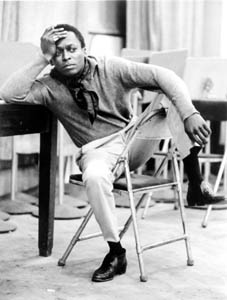
Faces in the Crowd
The Theos Project gives a ten gun salute to this 19th century thinker, poet, and song writer.
Currently accepting speculations as to the identity of this brilliant intellectual.
Jonathan Erdman: My blog, theology, pilgrimage, and personal revolution.
The Theos Project gives a ten gun salute to this 19th century thinker, poet, and song writer.
Currently accepting speculations as to the identity of this brilliant intellectual.

Here are a few interesting posts from a scholarly pro-Gnostic blog:
http://forbiddengospels.blogspot.com/2007/03/what-is-gnosticism.html
http://forbiddengospels.blogspot.com/2007/03/more-about-gnosticism.html
The study of Gnosis and Gnosticism is a fascinating one. As the above links point out there was no such thing as "Gnosticism". We use the term "Gnosticism" to label a general set of similar beliefs that developed a radical dualism (recall Plato, but with a unique, anti-cosmic twist!), and focussed on the personal connection and participation in the divine through gnosis (knowledge, secret knowledge) available to only the elect few, typically the elite. However, there was no tangible "Gnostic" religious group, per se. At least, no major religious movement that defined themselves as such. It was primarily a diverse set of groups that were involved with various segments of Judaism and Christianity.
Gnosticism seems to have had mixed reactions from the church fathers. Irenaeus condemned it to hell, while others like Clement of Alexandria and Justin Martyr seem more sympathetic to Gnostic theology due perhaps to Clement/Justin's Platonic sympathies. Ultimately, though, it was thoroughly rejected by the church and their writings were largely lost - lost, that is, until they were found by two Egyptian brothers in the deserts of Nag Hammadi. Their mother burned a few of the documents in her stove, but an extensive number of manuscripts survived giving us some fascinating looks into the various forms of Gnostic philosophy.
Gnostic theology raises many interesting questions relevant to contemporary discussion: